
In the digital age, website performance is crucial. Slow-loading sites can deter visitors, affecting engagement and conversions.
Website performance encompasses how quickly and efficiently a site loads and functions. It impacts user experience, SEO rankings, and overall business success. A well-performing website retains visitors, reduces bounce rates, and boosts conversions. With the rise of mobile browsing, ensuring your site performs well across devices is vital. Choosing the right tools and themes can make a significant difference. For instance, using a responsive, customizable theme like Akira Elementor can enhance your website’s speed and functionality. Investing in these aspects ensures a seamless and enjoyable user experience.
Credit: www.blendb2b.com
Introduction To Website Performance
Website performance is crucial for the success of any online business. A fast, well-optimized site enhances user experience and boosts engagement. In this section, we’ll explore why website speed matters and how performance impacts user experience.
Why Website Speed Matters
Website speed is a critical factor in the digital world. Slow-loading websites frustrate users and lead to higher bounce rates. According to studies, a delay of just one second can reduce conversions by 7%. Users expect websites to load quickly, and if they don’t, they will leave and visit a competitor’s site instead.
Search engines also prioritize fast websites. Google’s algorithm considers page speed as a ranking factor. Faster websites rank higher in search results, increasing visibility and attracting more traffic. In the competitive world of e-commerce, every millisecond counts.
The Impact Of Performance On User Experience
Performance directly affects user experience. A fast website delivers content quickly, keeping users engaged. Slow performance, on the other hand, leads to frustration and abandonment.
Consider the benefits of a fast website:
- Improved User Satisfaction: Users enjoy a seamless browsing experience.
- Higher Conversion Rates: A fast site encourages users to complete purchases.
- Lower Bounce Rates: Users are less likely to leave the site prematurely.
Akira Elementor, a theme available on Envato Market, is designed for speed and performance. It includes features like Ajax search and quick view, which enhance user experience by delivering fast and responsive interactions.
Here’s a quick overview of Akira Elementor’s features:
| Feature | Description |
|---|---|
| Responsive Layout | Ensures compatibility with any platform and device. |
| Mega Menu | Advanced navigation options. |
| Page Builder | Built with Elementor, featuring 52+ widgets and 500+ templates. |
| Slider Revolution | Included version 6.2.22.5. |
| RTL Support | Right-to-left language support. |
| Product Quick View | Enhanced product display. |
| Ajax Search, Cart, and Product Filter | Improves user experience. |
| One Click Install | Easy setup. |
| Customizable | Options for different headers, footers, and page designs. |
| Mobile Version Ready | Optimized for mobile devices. |
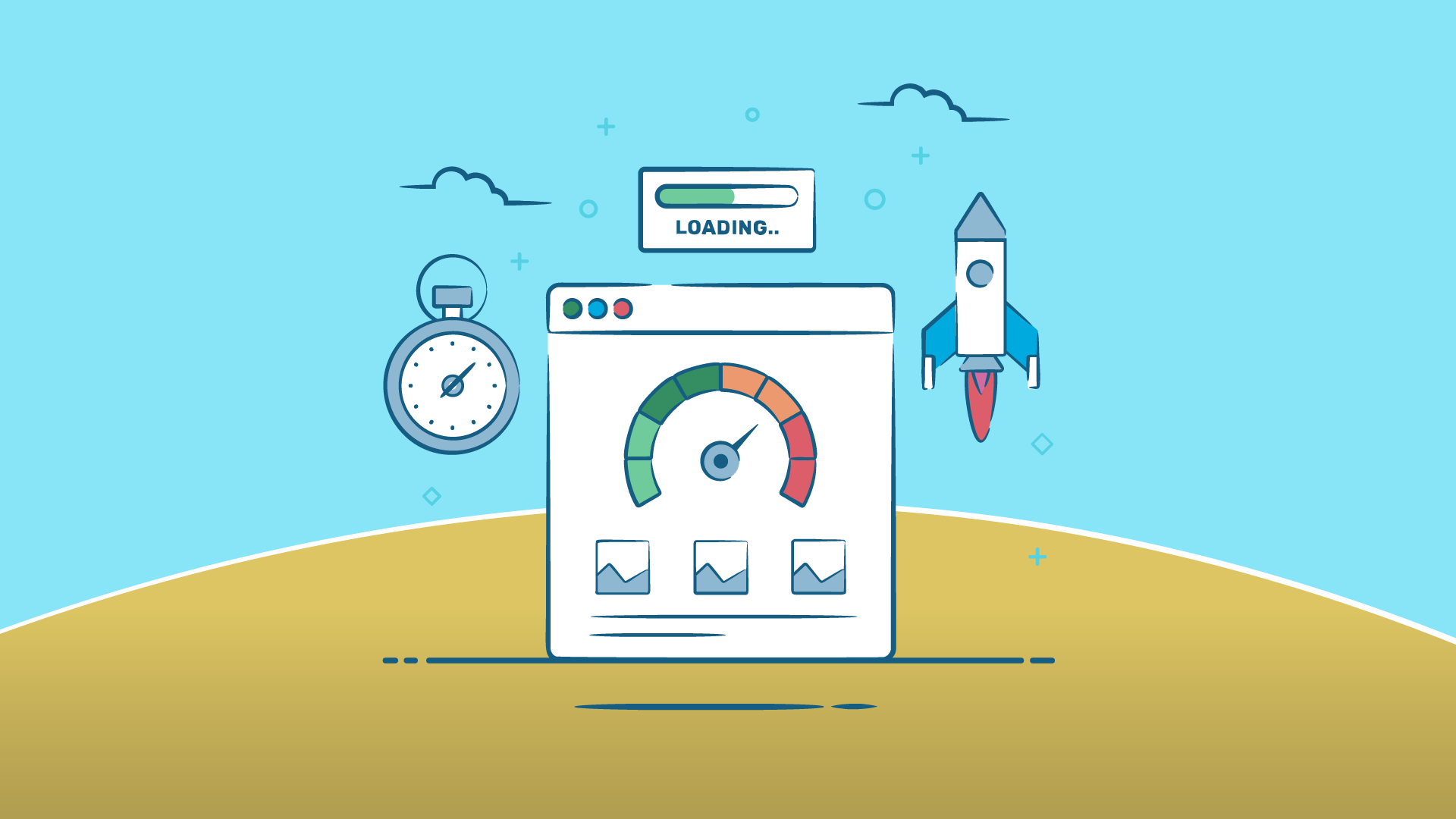
By focusing on website performance, businesses can ensure a positive user experience and better search engine rankings. Investing in a fast, responsive theme like Akira Elementor can provide a competitive edge.
Credit: businessconsultingagency.com
Key Features For Boosting Website Speed
Ensuring your website loads quickly is essential for user experience and SEO. Slow websites drive users away and negatively impact search rankings. Employing the right techniques can drastically improve your website’s performance. Here are some key features to focus on for boosting website speed.
Optimizing Images And Media
Large images and media files can significantly slow down your website. Optimize them to reduce their size without compromising quality. Use modern formats like WebP, compress images with tools like TinyPNG, and set proper dimensions.
- Use WebP format for smaller file sizes.
- Compress images using tools like TinyPNG.
- Specify image dimensions in HTML or CSS.
Leveraging Browser Caching
Browser caching stores some website data on the user’s device. This reduces load times on subsequent visits. Configure caching by setting expiration dates for static resources like images, CSS, and JavaScript files.
        ExpiresActive On
        ExpiresByType image/jpg "access plus 1 year"
        ExpiresByType image/jpeg "access plus 1 year"
        ExpiresByType image/gif "access plus 1 year"
        ExpiresByType image/png "access plus 1 year"
        ExpiresByType text/css "access plus 1 month"
        ExpiresByType application/pdf "access plus 1 month"
        ExpiresByType text/x-javascript "access plus 1 month"
        ExpiresByType application/x-shockwave-flash "access plus 1 month"
        ExpiresByType image/x-icon "access plus 1 year"
        ExpiresDefault "access plus 2 days"
Minifying Css, Javascript, And Html
Minify your CSS, JavaScript, and HTML files to remove unnecessary characters. This reduces file size and improves load times. Tools like UglifyJS and CSSNano can help with this process.
- Remove whitespace and comments.
- Use tools like UglifyJS for JavaScript.
- Minify CSS with CSSNano.
Using Content Delivery Networks (cdns)
A CDN distributes your website’s content across multiple servers worldwide. This allows users to load resources from a server closest to them, reducing latency and improving speed. Popular CDNs include Cloudflare and Amazon CloudFront.
| CDN | Features |
|---|---|
| Cloudflare | Global network, DDoS protection, SSL support |
| Amazon CloudFront | Fast delivery, integration with AWS services |
Implementing Lazy Loading
Lazy loading defers the loading of images and videos until they are needed. This reduces initial load time and improves performance. Implement lazy loading with JavaScript libraries like LazyLoad or native HTML attributes.
- Use the
loading="lazy"attribute for images. - Implement LazyLoad library for advanced control.

By focusing on these key features, you can significantly boost your website speed and enhance user satisfaction. Remember, a faster website not only improves user experience but also boosts your SEO ranking.
Tools And Plugins For Performance Enhancement
Optimizing your website’s performance is essential for user experience and SEO. There are several tools and plugins available to help improve your site speed and overall performance. Here, we will explore some popular options.
Popular Performance Plugins For WordPress
WordPress offers a variety of performance plugins to enhance your site’s speed and efficiency. Below are some widely-used plugins:
- WP Rocket: A comprehensive caching plugin that offers page caching, cache preloading, and GZIP compression.
- W3 Total Cache: Improves site performance by leveraging caching, content delivery network (CDN) integration, and minification of HTML, CSS, and JavaScript files.
- Smush: An image optimization plugin that compresses images without losing quality, reducing load times.
- Perfmatters: Focuses on reducing HTTP requests by disabling unnecessary features and scripts.
Best Tools For Analyzing Site Speed
Several tools can analyze your website speed and provide insights into areas for improvement. Here are some of the best tools available:
- Google PageSpeed Insights: Offers detailed performance reports and suggestions for optimization.
- GTmetrix: Provides comprehensive analysis, including page load details, performance scores, and recommendations.
- Pingdom: Monitors website performance and uptime, offering detailed reports and historical data.
- WebPageTest: Allows you to run speed tests from multiple locations and browsers, providing in-depth analysis.
Third-party Services For Optimization
Third-party services can further enhance your website’s performance. These services often offer specialized features and optimizations:
- Cloudflare: A CDN and security service that speeds up your site by serving content from global data centers and protecting against attacks.
- KeyCDN: A reliable content delivery network that accelerates site performance by delivering content quickly and efficiently.
- Fastly: Provides real-time caching and content delivery, ensuring fast load times and efficient resource management.
Using these tools and plugins can significantly enhance your website’s performance, ensuring a fast and smooth experience for your visitors.
Credit: pressidium.com
Pricing And Affordability
Website performance tools vary in price and features. It’s important to choose a tool that meets your needs without breaking the bank. Let’s explore cost-effective solutions for small businesses, premium tools for large enterprises, and the differences between free and paid tools.
Cost-effective Solutions For Small Businesses
Small businesses often operate with limited budgets. They need affordable tools that offer essential features without high costs. Akira Elementor, available on Envato Market, is a great example. For $69, you get a responsive, customizable Prestashop theme.
- Responsive Layout: Ensures compatibility with any device.
- Page Builder: Built with Elementor, featuring 52+ widgets and 500+ templates.
- One Click Install: Easy setup without coding knowledge.
The theme includes six months of support and future updates, making it an affordable choice for small businesses.
Investing In Premium Tools For Large Enterprises
Large enterprises often require advanced tools with extensive features. Investing in premium tools can provide better performance and support. Akira Elementor offers an extended support option for an additional $47.25 for 12 months.
- Mega Menu: Advanced navigation options.
- Slider Revolution: Included version 6.2.22.5 for dynamic content.
- Mobile Version Ready: Optimized for mobile devices.
These features ensure that large enterprises can maintain high performance and user experience on their websites.
Free Vs. Paid Tools: What’s The Best Choice?
Choosing between free and paid tools depends on your needs and budget. Free tools offer basic features but may lack advanced options and support. Paid tools, like Akira Elementor, provide more features and dedicated support.
| Features | Free Tools | Paid Tools |
|---|---|---|
| Support | Limited | 6 months support, extendable |
| Updates | Infrequent | Regular updates |
| Customization | Basic | High customizability |
Investing in a paid tool like Akira Elementor can save time and improve performance, making it a worthwhile investment for many users.
Pros And Cons Of Different Optimization Techniques
Website performance is crucial for user experience and SEO. Different optimization techniques can improve your site’s speed and reliability. Yet, each technique comes with its own set of pros and cons. Understanding these can help you make informed decisions about which methods to use.
Advantages Of Using A Cdn
A Content Delivery Network (CDN) distributes your website’s static files across various servers worldwide. This improves load times and ensures your content is delivered quickly to users, no matter their location.
- Faster Load Times: CDNs reduce latency by serving content from the nearest server.
- Improved Reliability: CDNs distribute traffic, reducing server load and preventing crashes.
- Better SEO: Faster websites rank higher on search engine results.
- Enhanced Security: CDNs provide additional layers of security against DDoS attacks.
Downsides Of Over-optimization
While optimizing your website is beneficial, overdoing it can lead to drawbacks. Over-optimization can degrade user experience and impact your site negatively.
- Reduced Functionality: Excessive compression may affect media quality and interactivity.
- Complex Maintenance: Over-optimized sites can be harder to update and manage.
- Poor User Experience: Aggressive caching or compression can lead to display issues.
Balancing Performance With Visual Appeal
Striking a balance between performance and visual appeal is essential. Users expect fast load times and visually appealing designs. Compromising one for the other can drive users away.
- Use Optimized Images: Compress images without losing quality to maintain visual appeal.
- Leverage Lazy Loading: Load images and videos only when they are about to be viewed.
- Efficient Coding: Use clean, efficient code to ensure faster load times.
- Responsive Design: Ensure your site looks good on all devices without compromising speed.
Balancing these factors can lead to a website that is both fast and visually appealing, offering the best user experience.
Specific Recommendations
Improving website performance is crucial for user experience and SEO. Here are specific recommendations to enhance performance across various types of websites. These tips will help you optimize your site effectively.
Ideal Strategies For E-commerce Websites
E-commerce websites require fast load times and seamless navigation. Use these strategies to enhance performance:
- Optimize Images: Compress images without losing quality using tools like TinyPNG.
- Enable Browser Caching: Store static files in the user’s browser to reduce load times.
- Minimize HTTP Requests: Reduce the number of elements on your page to speed up loading.
- Use a Content Delivery Network (CDN): Distribute content via a CDN to improve load times globally.
- Implement Lazy Loading: Load images and videos only when they come into the viewport.
Optimizing Blogs And Content-rich Sites
Content-rich sites need to balance performance with delivering valuable content. Follow these tips:
- Compress HTML, CSS, and JavaScript: Use tools like Gzip to compress files and reduce their size.
- Optimize Database Queries: Use efficient queries and indexing to speed up database interactions.
- Limit Plugins: Use only essential plugins to avoid bloat and reduce server load.
- Implement AMP: Use Accelerated Mobile Pages (AMP) to create faster mobile experiences.
- Use a Fast Hosting Provider: Choose a reliable and fast hosting provider for better performance.
Performance Tips For Multimedia-heavy Sites
Multimedia-heavy sites often struggle with performance. Use these tips to maintain speed:
- Optimize Video Files: Use formats like MP4 and compress videos to reduce their size.
- Enable Video Streaming: Use services like YouTube or Vimeo for video hosting and streaming.
- Use Adaptive Streaming: Implement adaptive bitrate streaming to provide the best quality based on the user’s connection.
- Implement Caching: Use server-side caching to store and deliver multimedia content more efficiently.
- Optimize Audio Files: Compress audio files without losing quality to ensure faster loading times.
By following these specific recommendations, you can significantly improve your website’s performance, ensuring a better user experience and higher search engine rankings.
Frequently Asked Questions
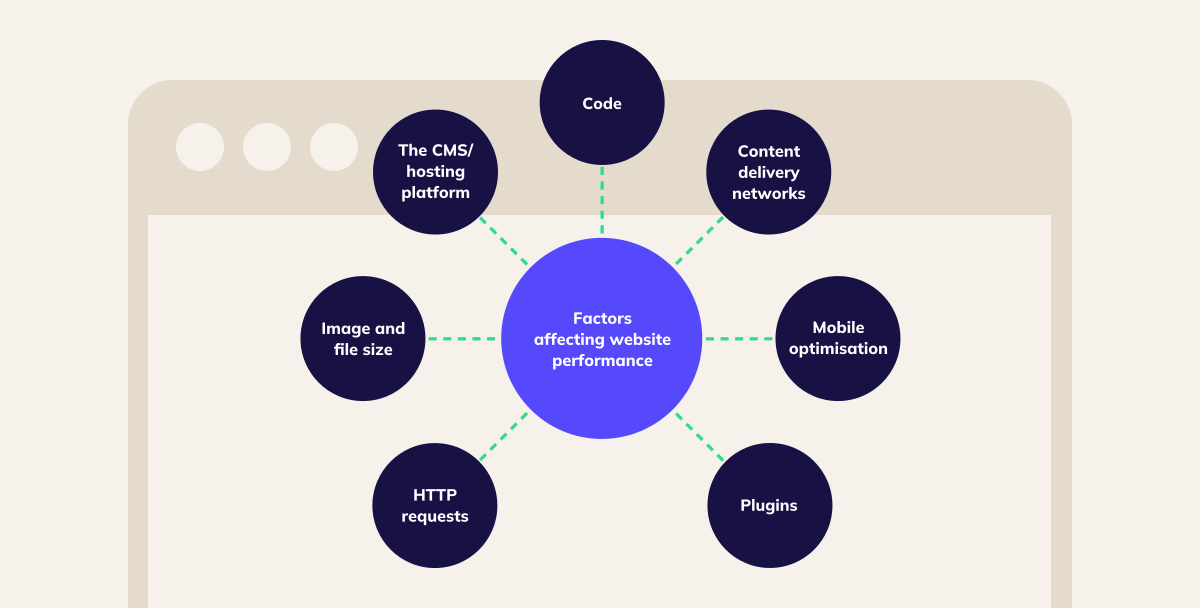
What Affects Website Performance?
Website performance is affected by server speed, website code, and content size. Optimizing images and code can improve it.
How To Measure Website Performance?
You can measure website performance using tools like Google PageSpeed Insights, GTmetrix, and WebPageTest. These tools provide detailed reports.
Why Is Website Performance Important?
Website performance is crucial for user experience and SEO. Faster websites rank higher on search engines and reduce bounce rates.
How To Improve Website Loading Speed?
Improving website loading speed involves optimizing images, using a content delivery network (CDN), and minimizing CSS and JavaScript files.
Conclusion
Enhancing website performance is crucial. It impacts user experience and SEO rankings. Fast, responsive sites attract and retain visitors. Tools like Akira can help. Envato Market’s Akira Elementor offers customizable, mobile-ready design. Its features support seamless navigation and faster loading times. Invest in a quality theme for better performance and user satisfaction.