
Responsive design is a game-changer in the digital world. It ensures your website looks great on any device, from desktops to smartphones.
In today’s fast-paced digital landscape, having a responsive website is not just a trend but a necessity. Users access websites from various devices, and a seamless experience across all platforms is crucial. Responsive design improves user experience, enhances SEO, and boosts engagement. Imagine a visitor landing on your site via a mobile device and struggling with navigation. Frustrating, right? That’s where responsive design comes in. It adapts your site to fit any screen, ensuring smooth navigation and readability. Whether you run an online store, a blog, or a corporate site, responsive design makes your website accessible and user-friendly. For an exceptional responsive design, check out Akira Elementor, a multipurpose Prestashop theme. Learn more about it here.

Credit: www.searchenginejournal.com
Introduction To Responsive Design
Responsive design is crucial in today’s web development. Websites must work well on any device. From mobile phones to desktops, responsive design ensures a seamless user experience.
What Is Responsive Design?
Responsive design is a web design approach that makes web pages render well on various devices. It uses flexible layouts, images, and CSS media queries. This design adapts to different screen sizes and orientations.
Key features of responsive design include:
- Flexible grid layouts
- Fluid images
- Media queries
These elements ensure a website is accessible and user-friendly on all devices.
Importance Of Responsive Design In Modern Web Development
Responsive design is vital for modern web development. Here are some reasons why:
| Reason | Explanation |
|---|---|
| Improved User Experience | Users have a consistent experience on all devices. |
| SEO Benefits | Google favors mobile-friendly websites. |
| Cost Efficiency | One website works on all devices, saving development costs. |
| Increased Reach | More users can access the site on various devices. |
Akira Elementor, available on Envato Market, is a perfect example. This Prestashop theme is designed for optimal performance on any device. Key features include a responsive layout, mobile optimization, and high customization.
Some notable features of Akira Elementor:
- Responsive Layout: Ensures optimal viewing on any device.
- RTL Support: Supports right-to-left text direction.
- Mobile Version Ready: Optimized for mobile viewing.
These features make Akira Elementor a great choice for modern web development. It ensures websites are user-friendly, SEO optimized, and cost-efficient.
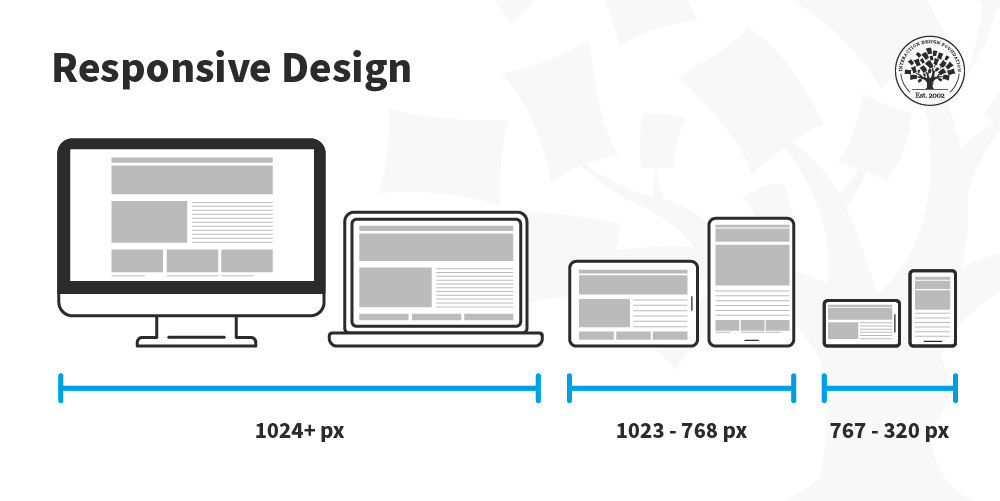
Credit: www.interaction-design.org
Key Features Of Responsive Design
Responsive design ensures your website looks great on any device. It adapts to different screen sizes and resolutions, providing an optimal viewing experience. Below, we explore the key features that make responsive design essential for modern websites.
Fluid Grids: Adapting Layouts To Different Screen Sizes
Fluid grids use relative units like percentages instead of fixed units like pixels. This allows layouts to resize proportionally to the screen size. For example, if a container is set to 50% width, it will occupy half of the screen, regardless of the device. This ensures a consistent and adaptable layout across various devices.
Flexible Images: Ensuring Visual Consistency
Flexible images adjust to fit their containing elements. This prevents images from overflowing or becoming too small. By using CSS properties like max-width: 100%;, images resize while maintaining their aspect ratio. This approach ensures visual consistency and prevents distortion on different screens.
Media Queries: Customizing Styles For Various Devices
Media queries allow you to apply different styles based on device characteristics. You can specify styles for different screen widths, orientations, and resolutions. For example, a media query for screens smaller than 768px might adjust font sizes or hide certain elements to improve usability on mobile devices.
@media (max-width: 768px) {
  body {
    font-size: 14px;
  }
  .sidebar {
    display: none;
  }
}
Responsive Typography: Enhancing Readability Across Screens
Responsive typography adjusts text size and line height for readability on different screens. Using relative units like em or rem instead of pixels ensures text scales appropriately. You can also use media queries to fine-tune typography for specific devices, enhancing the reading experience.
body {
  font-size: 1rem;
  line-height: 1.5;
}

@media (max-width: 768px) {
  body {
    font-size: 0.875rem;
  }
}
Implementing these features ensures your website remains accessible and user-friendly across all devices. For example, the Akira Elementor theme from Envato Market incorporates these responsive design principles, providing a seamless experience on any device. Explore Akira here.
Benefits Of Responsive Design
Responsive design is essential in today’s digital landscape. It ensures websites provide optimal viewing experiences across various devices. The benefits of responsive design are numerous and impactful for both businesses and users.
Improved User Experience: Seamless Interaction Across Devices
Responsive design ensures a seamless interaction across devices. Users can enjoy a consistent experience whether they are on a desktop, tablet, or smartphone. This consistency enhances user satisfaction and engagement.
With responsive design, navigation becomes intuitive. No more pinching or zooming to view content. This ease of use keeps visitors on your site longer, reducing bounce rates.
Seo Advantages: Better Search Engine Rankings
Search engines favor websites that are mobile-friendly. A responsive design improves your search engine rankings. Google recommends responsive design as the best practice for mobile configuration. A single URL for all devices makes it easier for search engines to crawl and index your site.
Responsive websites also tend to load faster. Page speed is a crucial ranking factor. Faster load times improve your chances of ranking higher in search results.
Cost-effectiveness: Single Website For All Devices
Maintaining separate websites for desktop and mobile users can be costly. With responsive design, you only need one website for all devices. This reduces development and maintenance costs significantly.
Updates are more straightforward with a single site. You only need to make changes once, and they reflect across all devices. This efficiency saves time and resources.
Increased Mobile Traffic: Catering To The Growing Mobile User Base
The number of mobile users is growing rapidly. Responsive design caters to this growing user base. It ensures your website is accessible and user-friendly on mobile devices.
By providing a mobile-optimized experience, you attract more mobile traffic. This can lead to higher engagement and conversions. Responsive design helps you reach and retain more visitors from mobile search results.
| Benefit | Description |
|---|---|
| Improved User Experience | Seamless interaction across devices, intuitive navigation, reduced bounce rates. |
| SEO Advantages | Better search engine rankings, faster load times, single URL for all devices. |
| Cost-Effectiveness | Single website for all devices, reduced development and maintenance costs, streamlined updates. |
| Increased Mobile Traffic | Catering to the growing mobile user base, higher engagement and conversions. |
Challenges And Considerations
Responsive design is essential for modern websites. Yet, it presents unique challenges. Ensuring optimal performance, aesthetic balance, and browser compatibility can be complex. Each aspect demands careful consideration to provide a seamless user experience.
Performance Issues: Ensuring Fast Load Times
One major challenge is maintaining fast load times. Slow websites frustrate users and increase bounce rates. Several factors affect performance:
- High-resolution images
- Complex scripts
- Heavy CSS files
To mitigate these issues, consider:
- Compressing images
- Minifying CSS and JavaScript
- Using Content Delivery Networks (CDNs)
For example, the Akira theme on Envato Market includes Ajax features. These help optimize load times by loading content asynchronously.
Design Complexity: Balancing Aesthetics And Functionality
Another challenge is balancing aesthetics and functionality. A visually appealing design must also be user-friendly. Responsive design requires adapting layouts for various screen sizes:
- Desktop
- Tablet
- Mobile
The Akira theme offers extensive customization options. It uses Elementor for easy website building, allowing you to create a beautiful yet functional site. The theme’s responsive layout ensures optimal viewing on any device.
Browser Compatibility: Addressing Different Browser Capabilities
Ensuring compatibility across different browsers is crucial. Users access websites from various browsers:
- Firefox
- Safari
- Opera
- Chrome
- Edge
Each browser has unique capabilities and limitations. The Akira theme supports all major browsers. This broad compatibility ensures a consistent experience for all users.
In responsive design, testing across multiple platforms is essential. It helps identify and resolve compatibility issues early.
Best Practices For Implementing Responsive Design
Responsive design ensures websites offer a seamless experience across devices. To achieve this, implementing best practices is crucial. Let’s explore how to effectively implement responsive design with a focus on mobile-first approach, progressive enhancement, testing, and using frameworks.
Mobile-first Approach: Prioritizing Mobile User Experience
Mobile-first design means starting with the mobile layout and expanding to larger screens. This approach ensures a great experience for mobile users, who often make up the majority of site traffic.
To implement a mobile-first approach:
- Begin designing for small screens first.
- Use media queries to adjust the layout for larger devices.
- Ensure touch-friendly navigation and interactions.
Progressive Enhancement: Building For The Future
Progressive enhancement focuses on building a basic, functional experience first. Then, it adds enhancements for users with more advanced browsers and better internet connections.
Steps for progressive enhancement:
- Start with basic HTML for content structure.
- Add CSS for styling and layout.
- Implement JavaScript for interactive features.
Testing And Debugging: Ensuring Consistent Performance
Regular testing and debugging are essential to maintain a consistent experience across devices and browsers.
Consider the following testing practices:
- Test on multiple devices and screen sizes.
- Use tools like BrowserStack for cross-browser testing.
- Check for performance issues and optimize loading times.
Using Frameworks And Tools: Streamlining Development Process
Using frameworks and tools can greatly streamline the development process. They offer pre-built components and responsive utilities.
Popular frameworks include:
| Framework | Benefits |
|---|---|
| Bootstrap | Comprehensive components, mobile-first, and easy to use. |
| Foundation | Flexible grid, responsive utilities, and robust documentation. |
Envato Market’s Akira Elementor theme is an excellent example of a responsive design. It features responsive layout, RTL support, and mobile version readiness. This theme ensures your website looks great on all devices.
For more details on Akira Elementor, visit the product page.
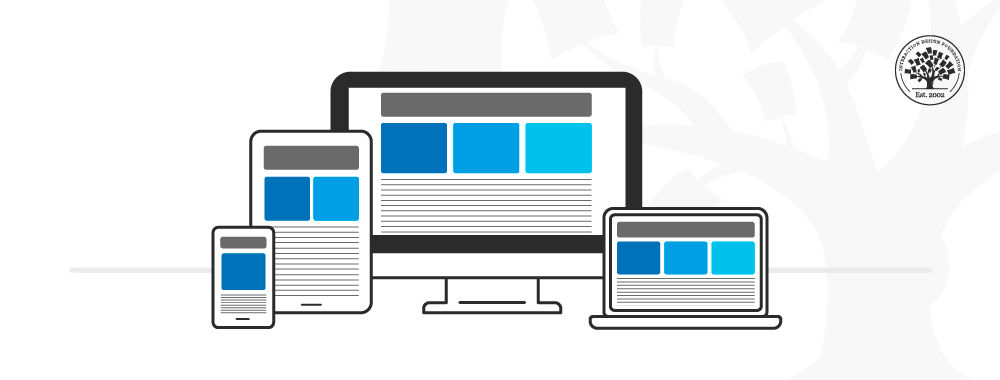
Credit: www.interaction-design.org
Frequently Asked Questions
What Is Responsive Design?
Responsive design is an approach to web design. It ensures websites look good on all devices. This includes desktops, tablets, and mobile phones.
Why Is Responsive Design Important?
Responsive design improves user experience across devices. It also helps with SEO and ensures accessibility. Your website will be more effective.
How Does Responsive Design Work?
Responsive design uses flexible grids and layouts. It also employs media queries to adjust content. This allows the website to adapt to various screen sizes.
What Are The Benefits Of Responsive Design?
Responsive design provides a consistent user experience. It also improves mobile traffic and SEO. Additionally, it reduces maintenance costs by using a single site.
Conclusion
Responsive design is essential today. It boosts user experience across devices. Mobile users expect smooth navigation. Akira Elementor theme offers this and more. It ensures a clean, fast, and customizable layout. Perfect for any e-commerce site, whether fashion or electronics. Ready to enhance your website with a responsive design? Check out the Akira Elementor theme on Envato Market. Your customers will love the smooth experience.