
Are you looking to start an online store? If yes, then you need the right online ecommerce platform to help you build, manage, and grow your business. In this article, we will explore some of the best online ecommerce platforms available today. We will also take a closer look at Shopify, one of the most popular and user-friendly platforms.
What Are Online Ecommerce Platforms?
Online ecommerce platforms are tools that allow you to create and manage an online store. They provide the necessary infrastructure, such as website builders, hosting, payment processing, and product management. These platforms are designed to help you sell products or services online with ease.
Why Do You Need an Ecommerce Platform?
An ecommerce platform simplifies the process of setting up and running an online store. It provides essential features and tools to help you manage your business efficiently. Here are some reasons why you need an ecommerce platform:
- Easy Setup: Most ecommerce platforms offer easy-to-use website builders and templates.
- Secure Payments: They provide secure payment processing options.
- Product Management: You can easily list, categorize, and manage your products.
- Order and Inventory Management: Track orders and manage inventory with ease.
- Marketing Tools: Access to SEO features, email marketing, and analytics.
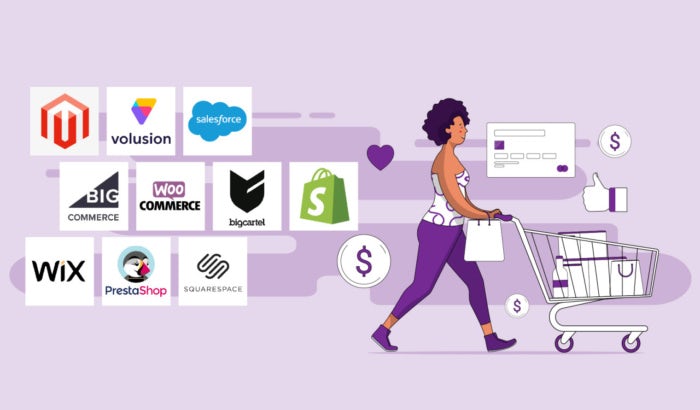
Credit: 99designs.com
Top Online Ecommerce Platforms
There are several online ecommerce platforms to choose from. Let’s take a closer look at some of the best options:
1. Shopify
Shopify is a popular ecommerce platform that allows individuals and businesses to create their own online stores. It is an all-in-one solution designed to help users build, manage, and grow their ecommerce business, even without extensive technical skills.
Key Features of Shopify:
- Website Builder: Offers customizable templates and drag-and-drop tools for creating a professional-looking online store.
- Hosting: Shopify provides web hosting, so you don’t need to set up your own hosting service.
- Payment Processing: Includes Shopify Payments and integrations with third-party payment gateways like PayPal, Stripe, etc., to process transactions securely.
- Product Management: Allows you to list, categorize, and organize products with descriptions, images, and pricing.
- Order and Inventory Management: Helps track orders, manage stock levels, and handle fulfillment.
- Mobile Compatibility: Provides tools to manage your store and customer interactions from mobile devices.
- Marketing Tools: Includes SEO features, email marketing, discount codes, and analytics to help you attract and retain customers.
- App Store: Offers apps and plugins to expand the functionality of your store, such as dropshipping tools, advanced analytics, or custom shipping options.
- Multi-channel Selling: Allows you to sell on social media platforms, marketplaces like Amazon, or in-person using Shopify POS (Point of Sale).
Who Uses Shopify?
- Small Business Owners: Looking for an easy way to set up an online store.
- Established Brands: Wanting to expand their reach online.
- Dropshippers: Leveraging Shopify apps to source and ship products without holding inventory.
- Freelancers and Creators: Selling digital products, art, or services.
Advantages of Shopify:
- Easy to use and beginner-friendly.
- Scalable to grow with your business.
- Reliable with 24/7 customer support.
Pricing:
Shopify offers various pricing plans to suit different business needs. The plans range from basic for startups to advanced for larger enterprises. Shopify also provides a free trial to test the platform.
2. Woocommerce
WooCommerce is a flexible and customizable ecommerce platform built on WordPress. It allows users to turn their WordPress sites into fully functional online stores.
Key Features of WooCommerce:
- Customizable: Offers a wide range of themes and plugins to customize your store.
- Payment Options: Supports various payment gateways like PayPal, Stripe, and more.
- Product Management: Easily add and manage products with descriptions, images, and pricing.
- Order Management: Track orders and manage inventory efficiently.
- SEO Friendly: Built on WordPress, which is known for its SEO capabilities.
3. Bigcommerce
BigCommerce is a robust ecommerce platform designed for growing businesses. It offers a wide range of features to help you build and scale your online store.
Key Features of BigCommerce:
- Website Builder: Provides customizable templates and a drag-and-drop editor.
- Payment Processing: Supports various payment gateways, including PayPal, Stripe, and more.
- Product Management: Allows you to list and manage products with ease.
- Order and Inventory Management: Track orders and manage stock levels.
- Marketing Tools: Includes SEO features, email marketing, and analytics.
- App Store: Offers apps and plugins to extend the functionality of your store.
4. Wix Ecommerce
Wix eCommerce is a user-friendly platform that allows you to create a beautiful online store. It is ideal for small businesses and entrepreneurs.
Key Features of Wix eCommerce:
- Website Builder: Offers customizable templates and a drag-and-drop editor.
- Payment Processing: Supports various payment gateways, including PayPal and Stripe.
- Product Management: Easily add and manage products with descriptions, images, and pricing.
- Order Management: Track orders and manage inventory efficiently.
- Marketing Tools: Includes SEO features, email marketing, and analytics.
5. Squarespace
Squarespace is a popular website builder that also offers ecommerce functionality. It is known for its beautiful design templates and ease of use.
Key Features of Squarespace:
- Website Builder: Offers stunning design templates and a drag-and-drop editor.
- Payment Processing: Supports various payment gateways, including PayPal and Stripe.
- Product Management: Easily add and manage products with descriptions, images, and pricing.
- Order Management: Track orders and manage inventory efficiently.
- Marketing Tools: Includes SEO features, email marketing, and analytics.

Credit: www.angularminds.com
Frequently Asked Questions
What Are The Best Online Ecommerce Platforms?
Shopify, WooCommerce, BigCommerce, and Magento are among the top choices. They offer various features.
How Do I Choose An Ecommerce Platform?
Consider your budget, technical skills, and business size. Look for scalability, support, and features.
Which Ecommerce Platform Is Most User-friendly?
Shopify is known for its ease of use. It’s ideal for beginners and small businesses.
Can I Sell On Social Media With Ecommerce Platforms?
Yes, platforms like Shopify allow selling on Facebook, Instagram, and other social media channels.
Do Ecommerce Platforms Offer Mobile Compatibility?
Yes, most platforms, including Shopify, have mobile-friendly designs and apps for managing stores.
What Payment Methods Can I Use With Ecommerce Platforms?
Common methods include credit cards, PayPal, Stripe, and more. Platforms like Shopify offer integrated options.
Conclusion
Choosing the right online ecommerce platform is crucial for the success of your online store. Shopify is an excellent choice for its user-friendly interface, scalability, and comprehensive features. However, other platforms like WooCommerce, BigCommerce, Wix eCommerce, and Squarespace also offer great options depending on your specific needs.
Ultimately, the best platform for you will depend on your business goals, budget, and technical expertise. We hope this article has provided you with valuable insights to help you make an informed decision.
Start your ecommerce journey today with the right platform, and watch your business grow!
For more information on Shopify, visit their official website.