Skip to content
Soft Tool Today

Discover the Best Digital Tools for Today’s Needs

Website Customization: Boost Your Online Presence Today

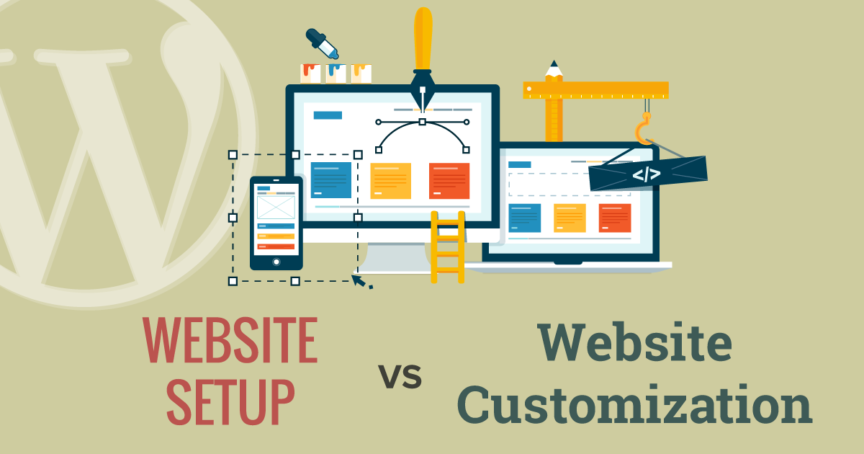
In today’s digital age, website customization is more critical than ever. A unique, tailored website can set you apart from competitors.

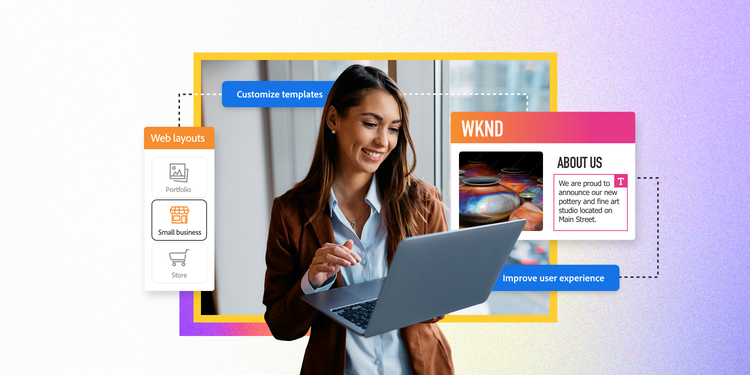
Whether you’re running an eCommerce store, a personal blog, or a corporate site, customization helps you stand out. Website customization allows you to create a unique online presence that reflects your brand’s identity. From layout adjustments to color schemes and functionality tweaks, customization options are endless. One powerful tool for this is the Akira Elementor – Multipurpose Prestashop 1.7 Prestashop 8 Theme. This theme offers a responsive layout, mega menu, page builder, and more, making it easier than ever to customize your website to meet your specific needs. With features like Ajax Search and mobile optimization, Akira ensures your site looks great and performs well on any device. Ready to enhance your website? Dive into the world of customization and see the difference it can make.

Introduction To Website Customization

Website customization is an essential aspect of creating a unique online presence. It allows you to tailor your site to fit your brand’s identity and meet the specific needs of your audience. This section will introduce you to the basics of website customization and explain why it is crucial for your business.

What Is Website Customization?

Website customization refers to the process of altering and personalizing a website to suit individual preferences and business needs. This includes changing the layout, design, features, and functionalities of the site.

Using tools like Akira Elementor – Multipurpose Prestashop 1.7 Prestashop 8 Theme, customization becomes more accessible. This theme provides a responsive layout, mega menu, and page builder with Elementor. It supports various shops, including fashion, electronics, and furniture.

Why Website Customization Matters

Website customization matters because it impacts user experience and business success. Here are some reasons why:

  • Unique Brand Identity: Customized websites reflect your brand’s uniqueness. It helps in establishing a strong brand identity.
  • Enhanced User Experience: By tailoring your site, you improve navigation and usability. Features like Ajax Search and Product Quick View enhance user experience.
  • Increased Engagement: A personalized website keeps visitors engaged. Features like Slider Revolution and Retina Ready displays make the site visually appealing.
  • Flexibility: Customizable themes like Akira allow you to adjust headers, footers, and other elements. This flexibility is crucial for meeting diverse business needs.
  • Mobile Optimization: With the rise of mobile browsing, having a mobile version ready site ensures your content is accessible on all devices.

Choosing a theme like Akira, which is highly customizable and compatible with various Prestashop versions, simplifies the customization process. It includes 52+ Elementor widgets and 500+ templates for easy customization without coding knowledge.

Here is a quick overview of Akira’s main features:

Features Details
Responsive Layout Ensures the theme looks great on any device.
Mega Menu Allows for extensive navigation options.
Page Builder Includes Elementor for easy page building.
Slider Revolution Integrated Awesome Slider Revolution.
RTL Support Right-to-left language support.
Product Quick View Quick view feature for products.
Ajax Features Includes Ajax Search, Ajax Cart, and Ajax product filter.
One Click Install Easy installation process.
Retina Ready High-resolution display support.
Elementor Widgets & Templates 52+ widgets and 500+ templates included.
Theme Options Customizable headers, footers, and other page elements.
Mobile Version Ready Optimized for mobile devices.

With these features, Akira offers a comprehensive solution for any Prestashop website.
Website Customization: Boost Your Online Presence Today

Credit: www.acscreative.com

Key Features Of Effective Website Customization

Effective website customization is crucial for creating a unique and engaging online presence. It involves various elements that enhance user experience, improve SEO, and reflect brand identity. Let’s explore these key features in detail.

Personalized User Experience

Creating a personalized user experience involves tailoring content and design to meet individual user preferences. This can be achieved through:

  • Dynamic content based on user behavior
  • Personalized product recommendations
  • User-specific promotions and offers

A personalized experience increases user engagement and fosters customer loyalty.

Responsive Design

Responsive design ensures that your website looks great on any device. It adapts to different screen sizes, providing a seamless experience for users on desktops, tablets, and mobile phones. Key components of responsive design include:

  • Flexible grid layouts
  • Fluid images
  • Media queries

Responsive design is essential for improving user satisfaction and retention.

Seo Optimization

Effective SEO optimization helps your website rank higher in search engine results. This involves:

  1. Using relevant keywords
  2. Optimizing meta tags
  3. Improving page load speed
  4. Creating high-quality content

SEO optimization drives organic traffic to your site, increasing visibility and potential sales.

Custom Branding

Custom branding reflects your unique identity and sets you apart from competitors. Elements of custom branding include:

  • Customized logos and color schemes
  • Unique typography
  • Consistent brand messaging

Custom branding helps build trust and recognition among your audience.

Interactive Elements

Adding interactive elements enhances user engagement by making the website more dynamic. Examples include:

  • Sliders and carousels
  • Interactive forms
  • Live chat support
  • Product quick view and Ajax features

Interactive elements make the browsing experience more enjoyable and can lead to higher conversion rates.

For a practical example of a customizable theme, check out Akira Elementor – Multipurpose Prestashop Theme. It offers features like responsive design, custom branding options, and interactive elements, making it a versatile choice for any eCommerce site.

Pricing And Affordability Of Website Customization

Website customization can transform your online presence. Understanding the pricing and affordability helps in making informed decisions. Let’s explore different aspects of customizing your website with a focus on cost.

Diy Customization Vs Professional Services

DIY customization can be a cost-effective option. It allows flexibility and control over the design. But it requires time and some technical skills. Professional services, on the other hand, offer expert solutions. They ensure a polished and functional website but come at a higher cost. Here’s a comparison:

Aspect DIY Customization Professional Services
Cost Low High
Time Investment High Low
Technical Skills Required Not Required
Quality Varies Consistent

Cost Breakdown Of Professional Services

Professional website customization involves various costs. Here is a breakdown:

  • Design and Development: $500 – $5000. This covers the initial design and coding.
  • Content Creation: $100 – $1000. Costs for creating text, images, and other media.
  • SEO Services: $300 – $1500. Ensuring your website ranks well on search engines.
  • Maintenance: $50 – $300/month. Ongoing updates and support.

The total cost depends on the complexity and requirements of your website.

Budget-friendly Customization Tips

Here are some tips to keep customization affordable:

  1. Use pre-made themes like Akira Elementor. It costs $69 and offers extensive features.
  2. Leverage free plugins and tools for added functionality.
  3. Focus on essential customizations first. Add advanced features later.
  4. Consider hiring freelancers for specific tasks instead of a full-service agency.
  5. Opt for themes with built-in customization options to save on design costs.

By planning and prioritizing, you can achieve a customized website within your budget.
Website Customization: Boost Your Online Presence Today

Credit: www.knowband.com

Pros And Cons Of Website Customization

Website customization offers many benefits, but it also comes with some challenges. Let’s explore the pros and cons to help you decide if it’s right for your business.

Advantages Of Customizing Your Website

Customizing your website can provide several key benefits:

  • Unique Identity: Stand out from competitors with a unique design.
  • Responsive Layout: Ensure your site looks great on any device.
  • Professional Design: Achieve a modern and professional look.
  • Customizable: Tailor your site to fit various business needs.
  • Ease of Use: Build and customize without coding knowledge.
  • Compatibility: Works with multiple Prestashop versions and major browsers.

Using a theme like Akira Elementor can make customization easier. It includes features like:

Feature Benefit
Responsive Layout Looks great on any device
Mega Menu Extensive navigation options
Page Builder Easy page building with Elementor
Slider Revolution Integrated Awesome Slider Revolution
RTL Support Right-to-left language support
Ajax Features Includes Ajax Search, Cart, and product filter

Potential Drawbacks To Consider

Despite the advantages, website customization can have some drawbacks:

  • Time-Consuming: Customizing a site can take more time.
  • Higher Costs: Customization may require more budget.
  • Technical Skills Needed: Advanced customization might need technical skills.
  • Maintenance: Keeping a customized site updated can be challenging.

For example, while themes like Akira Elementor offer ease of use, more advanced features might still need professional help:

  1. Customizing headers and footers
  2. Using all 52+ Elementor widgets
  3. Managing updates and compatibility issues

It’s important to weigh these pros and cons before deciding on website customization. Understanding both sides can help you make an informed decision for your business needs.

https://www.youtube.com/watch?v=Pvi_metetxk

Specific Recommendations For Website Customization

Website customization allows you to tailor your site to meet specific needs and goals. Customizing your website enhances user experience, boosts engagement, and improves conversion rates. Here are some specific recommendations for different types of websites.

Best Practices For Small Businesses

Small businesses often have unique needs. Here are some best practices to consider:

  • Responsive Design: Ensure your site looks great on all devices.
  • Clear Navigation: Simplify navigation with a mega menu for easy access to important pages.
  • Local SEO: Optimize your site for local search to attract nearby customers.
  • Contact Information: Display contact details prominently on your homepage.
  • Professional Design: Use a clean, modern design to build trust with visitors.

Customization Tips For E-commerce Websites

E-commerce websites require specific features to enhance the shopping experience. Here are some tips:

Feature Details
Product Quick View Enable users to preview products without leaving the page.
Ajax Features Use Ajax Search, Ajax Cart, and Ajax Product Filter for faster interactions.
One Click Install Implement a simple installation process for ease of use.
Mobile Optimization Ensure your site is optimized for mobile users.

Optimizing Content For Personal Blogs

Personal blogs should focus on engaging content and ease of navigation. Consider these tips:

  1. Quality Content: Write clear, engaging posts that add value to readers.
  2. Social Sharing: Add social media buttons to encourage sharing.
  3. Comment Section: Enable comments to foster community interaction.
  4. SEO Optimization: Use keywords naturally in your posts to improve search engine ranking.
  5. Customizable Layout: Utilize customizable headers and footers for a unique look.

By following these specific recommendations, you can create a customized website that meets the needs of your audience and supports your business goals.
Website Customization: Boost Your Online Presence Today

Credit: business.adobe.com

Conclusion: Enhance Your Online Presence With Website Customization

Website customization is key to standing out in today’s digital world. A tailored website can create a unique user experience, reflect your brand identity, and improve overall site performance. Let’s summarize the key points and understand why customization is essential.

Summary Of Key Points

  • Responsive Layout: A responsive design ensures your website looks great on any device.
  • Mega Menu: Extensive navigation options help users find information quickly.
  • Page Builder: Tools like Elementor make page building simple and intuitive.
  • Slider Revolution: Integrated sliders enhance visual appeal and user engagement.
  • RTL Support: Support for right-to-left languages broadens your audience reach.
  • Ajax Features: Ajax Search, Cart, and product filter improve user interaction.
  • One Click Install: Simplifies the installation process, saving time and effort.
  • Retina Ready: High-resolution display support ensures sharp and clear visuals.
  • Mobile Version Ready: Optimized for mobile devices to cater to mobile users.
  • Elementor Widgets & Templates: Access to numerous widgets and templates for customization.
  • Theme Options: Customizable headers, footers, and other elements for a personalized look.

Final Thoughts On The Importance Of Customization

Customization allows your website to reflect your brand’s unique personality. It helps create a memorable user experience and improves user retention. A well-customized website also enhances functionality and performance, leading to better user satisfaction.

Using themes like Akira Elementor – Multipurpose Prestashop 1.7 Prestashop 8 Theme can simplify the customization process. This theme offers a range of features, making it easier to create a professional and modern eCommerce site without coding knowledge.

Investing in website customization is a step towards creating a more engaging and effective online presence. It provides a competitive edge in the crowded digital marketplace.

Frequently Asked Questions

What Is Website Customization?

Website customization involves tailoring a website to fit specific needs. This includes design, functionality, and user experience modifications.

Why Is Website Customization Important?

Website customization enhances user experience and engagement. It ensures the website meets specific business goals and customer needs.

How Can I Customize My Website?

You can customize your website by changing themes, adding plugins, and modifying code. Hiring a web developer can also help.

What Tools Are Used For Website Customization?

Popular tools for website customization include WordPress, Wix, and Squarespace. These platforms offer various themes and plugins.

Conclusion

Customizing your website can greatly enhance user experience and engagement. Tailor your site to fit your brand and audience needs. For a versatile, responsive, and easy-to-use theme, consider Akira Elementor. It offers extensive customization options with no coding required. Simplify your web design and create a professional look effortlessly. Happy customizing!

Global Ecommerce Platform Image: Boost Your Online Store’s Appeal


Are you looking for an easy way to start selling online? Look no further! Shopify is the perfect solution for you. It is a global e-commerce platform that helps you create, manage, and grow your online store without needing extensive technical skills.

Key Features of Shopify

Shopify offers a range of features to help you build a professional online store. Let’s take a closer look at some of these key features:

Website Builder

Shopify provides customizable templates and drag-and-drop tools. This allows you to create a professional-looking online store with ease. You don’t need to know coding to build your website.

Hosting

With Shopify, you don’t need to worry about web hosting. They provide web hosting for your online store, ensuring it runs smoothly and securely.

Payment Processing

Shopify offers secure payment processing through Shopify Payments. You can also integrate with third-party payment gateways like PayPal and Stripe. This makes it easy for your customers to pay for their purchases.

Product Management

Shopify allows you to list, categorize, and organize your products. You can add descriptions, images, and pricing to make your products more appealing to customers.

Order And Inventory Management

Tracking orders and managing stock levels is simple with Shopify. You can handle fulfillment and ensure your customers receive their orders on time.

Mobile Compatibility

Shopify provides tools to manage your store from mobile devices. This means you can handle customer interactions and manage your store on the go.

Marketing Tools

Shopify includes SEO features, email marketing, discount codes, and analytics. These tools help you attract and retain customers, boosting your online store’s success.

App Store

Shopify offers a wide range of apps and plugins. These can expand the functionality of your store, such as dropshipping tools, advanced analytics, or custom shipping options.

Multi-channel Selling

With Shopify, you can sell on social media platforms and marketplaces like Amazon. You can also sell in person using Shopify POS (Point of Sale).


Who Uses Shopify?

Shopify is used by a variety of individuals and businesses, including:

  • Small Business Owners: They want an easy way to set up an online store.
  • Established Brands: They are looking to expand their reach online.
  • Dropshippers: They use Shopify apps to source and ship products without holding inventory.
  • Freelancers and Creators: They sell digital products, art, or services.

Advantages of Shopify

Shopify offers several advantages that make it a popular choice for e-commerce:

  • Easy to use and beginner-friendly.
  • Scalable to grow with your business.
  • Reliable with 24/7 customer support.
Global Ecommerce Platform Image: Boost Your Online Store's Appeal

Credit: www.marketsandmarkets.com

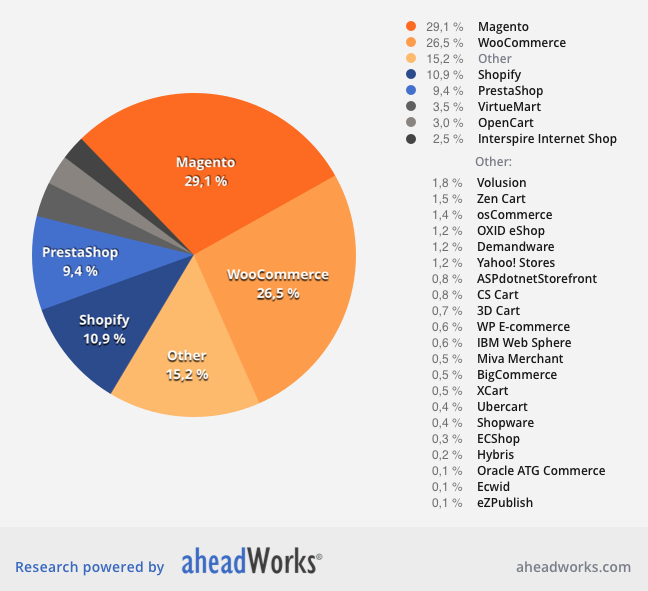
Global Ecommerce Platform Image: Boost Your Online Store's Appeal

Credit: aheadworks.com

Pricing

Shopify offers various pricing plans to suit different business needs. These range from basic plans for startups to advanced plans for larger enterprises. They also provide a free trial to test the platform.

Plan Features Monthly Cost
Basic For startups and small businesses $29
Shopify For growing businesses $79
Advanced For larger enterprises $299

Frequently Asked Questions

What Is A Global E-commerce Platform?

A global e-commerce platform lets businesses sell products online worldwide. It supports multiple currencies and languages.

Why Use A Global E-commerce Platform?

It helps reach international customers. Increases sales opportunities and supports cross-border transactions.

How Does An E-commerce Platform Work?

It provides tools to create online stores, manage products, process payments, and handle shipping.

What Are Key Features Of A Global E-commerce Platform?

Key features include multi-currency support, language options, and international shipping integrations.

Can Small Businesses Use Global E-commerce Platforms?

Yes, small businesses can use them to expand their market and reach global customers.

Which Global E-commerce Platform Is User-friendly?

Shopify is known for being user-friendly. It offers customizable templates and easy-to-use tools.

Conclusion

In conclusion, Shopify is a powerful and user-friendly global e-commerce platform. It helps you easily create, manage, and grow your online store. Whether a small business owner or an established brand, Shopify has the tools and features to succeed.


Best Wholesale Ecommerce Platform: Unlock Unmatched Growth


Are you looking for the Best Wholesale Ecommerce Platform to start your online store? Look no further. In this article, we will explore the features, benefits, and advantages of using Shopify, the top choice for many businesses worldwide.

What is Shopify?

Shopify is a commerce platform that allows individuals and businesses to create their own online stores to sell products or services. It’s an all-in-one solution designed to help users build, manage, and grow their eCommerce business, even without extensive technical skills.

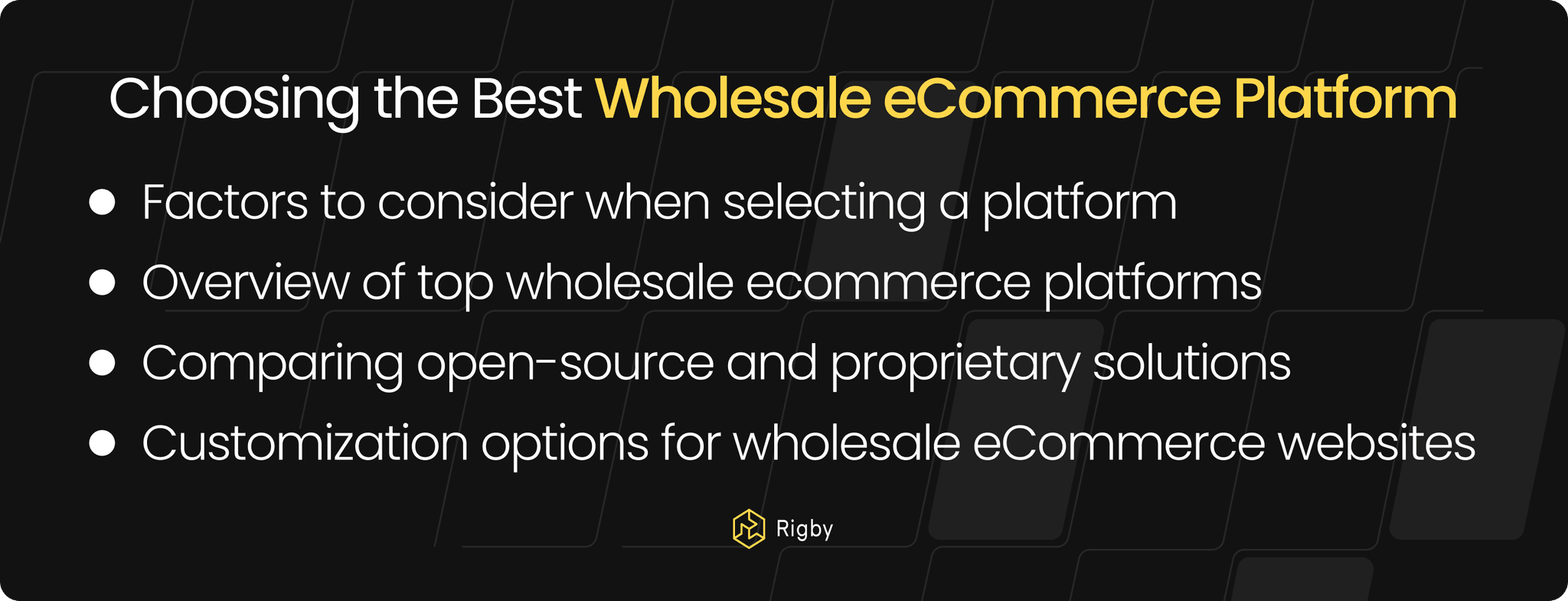
Best Wholesale Ecommerce Platform: Unlock Unmatched Growth

Credit: rigbyjs.com

Key Features of Shopify

Shopify offers a wide range of features to help you build and manage your online store. Here are some of the key features:

  • Website Builder: Shopify offers customizable templates and drag-and-drop tools for creating a professional-looking online store.
  • Hosting: Shopify provides web hosting, so you don’t need to set up your own hosting service.
  • Payment Processing: Shopify includes Shopify Payments and integrations with third-party payment gateways like PayPal, Stripe, etc., to process transactions securely.
  • Product Management: Shopify allows you to list, categorize, and organize products with descriptions, images, and pricing.
  • Order and Inventory Management: Shopify helps track orders, manage stock levels, and handle fulfillment.
  • Mobile Compatibility: Shopify provides tools to manage your store and customer interactions from mobile devices.
  • Marketing Tools: Shopify includes SEO features, email marketing, discount codes, and analytics to help you attract and retain customers.
  • App Store: Shopify offers apps and plugins to expand the functionality of your store, such as dropshipping tools, advanced analytics, or custom shipping options.
  • Multi-channel Selling: Shopify allows you to sell on social media platforms, marketplaces like Amazon, or in-person using Shopify POS (Point of Sale).

Who Uses Shopify?

Shopify is used by a variety of businesses and individuals, including:

  • Small Business Owners: Looking for an easy way to set up an online store.
  • Established Brands: Wanting to expand their reach online.
  • Dropshippers: Leveraging Shopify apps to source and ship products without holding inventory.
  • Freelancers and Creators: Selling digital products, art, or services.

Advantages of Shopify

Shopify offers several advantages, making it the Best Wholesale Ecommerce Platform for many users:

  • Easy to use: Shopify is beginner-friendly and easy to set up.
  • Scalable: Shopify can grow with your business, offering advanced features as you need them.
  • Reliable: Shopify provides 24/7 customer support to help you with any issues.
 

Pricing

Shopify offers various pricing plans to suit different business needs, ranging from basic plans for startups to advanced plans for larger enterprises. It also provides a free trial to test the platform.

Plan Price Features
Basic $29/month Basic features for small businesses.
Shopify $79/month Additional features for growing businesses.
Advanced $299/month Advanced features for larger businesses.

Shopify also offers a free trial, allowing you to test the platform before committing to a paid plan.

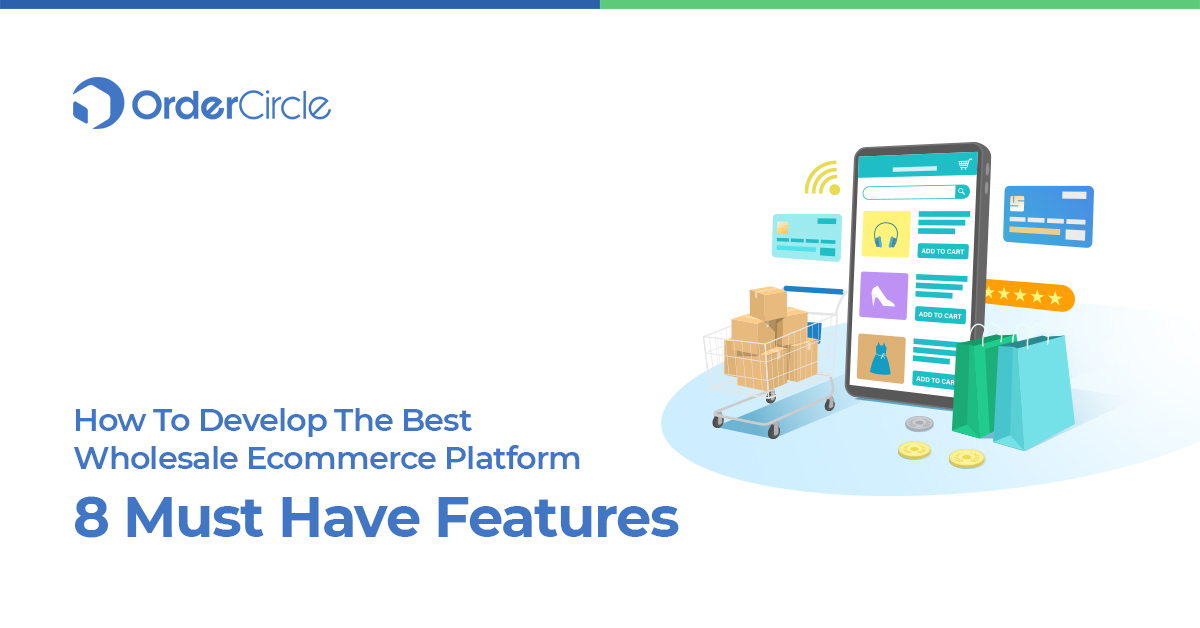
Best Wholesale Ecommerce Platform: Unlock Unmatched Growth

Credit: ordercircle.com

Frequently Asked Questions

What Is The Best Wholesale Ecommerce Platform?

The best platform varies by needs. Shopify is a top choice for many.

How Does Shopify Support Wholesale Businesses?

Shopify offers features like bulk order processing and customer segmentation for wholesale needs.

Can I Manage Inventory On Shopify?

Yes, Shopify provides tools to track and manage inventory efficiently.

Does Shopify Support Multiple Payment Gateways?

Yes, Shopify supports various payment gateways including PayPal and Stripe.

Is Shopify Beginner-friendly For Ecommerce?

Yes, Shopify is user-friendly and ideal for beginners with no technical skills.

Does Shopify Offer Mobile Compatibility?

Yes, Shopify allows you to manage your store and interact with customers via mobile devices.

Conclusion

In conclusion, Shopify is the Best Wholesale Ecommerce Platform for individuals and businesses looking to start and grow their online stores. With its wide range of features, ease of use, and scalability, Shopify provides everything you need to succeed in the world of eCommerce.

Ready to start your online store? Visit Shopify today to get started!


B2C Ecommerce Platform: Boost Your Sales with Top Strategies


Looking for a B2C Ecommerce Platform? Look no further than Shopify. Shopify is a commerce platform that allows individuals and businesses to create their own online stores to sell products or services. It’s an all-in-one solution designed to help users build, manage, and grow their eCommerce business, even without extensive technical skills.

Key Features of Shopify

Shopify offers a range of features that make it an ideal B2C Ecommerce Platform. Let’s explore these features:

Website Builder

Shopify offers customizable templates and drag-and-drop tools. These tools help you create a professional-looking online store with ease.

Hosting

Shopify provides web hosting. This means you don’t need to set up your own hosting service.

Payment Processing

Shopify includes Shopify Payments. It also integrates with third-party payment gateways like PayPal and Stripe to process transactions securely.

Product Management

Shopify allows you to list, categorize, and organize products. You can add descriptions, images, and pricing for each product.

Order And Inventory Management

Shopify helps track orders, manage stock levels, and handle fulfillment. This ensures smooth operation of your online store.

Mobile Compatibility

Shopify provides tools to manage your store and customer interactions from mobile devices. This feature is crucial for on-the-go business management.

Marketing Tools

Shopify includes SEO features, email marketing, discount codes, and analytics. These tools help you attract and retain customers.

App Store

Shopify offers apps and plugins to expand the functionality of your store. You can find tools for dropshipping, advanced analytics, and custom shipping options.

Multi-channel Selling

Shopify allows you to sell on social media platforms, marketplaces like Amazon, or in-person using Shopify POS (Point of Sale).

B2C Ecommerce Platform: Boost Your Sales with Top Strategies

Credit: www.slideteam.net

B2C Ecommerce Platform: Boost Your Sales with Top Strategies

Credit: www.edistera.com

Who Uses Shopify?

Shopify is a versatile B2C Ecommerce Platform used by various groups:

  • Small Business Owners: Looking for an easy way to set up an online store.
  • Established Brands: Wanting to expand their reach online.
  • Dropshippers: Leveraging Shopify apps to source and ship products without holding inventory.
  • Freelancers and Creators: Selling digital products, art, or services.

Advantages of Shopify

Shopify offers several advantages that make it a top choice for a B2C Ecommerce Platform:

  • Easy to use and beginner-friendly: No extensive technical skills needed.
  • Scalable: Shopify grows with your business.
  • Reliable: 24/7 customer support ensures help is always available.
 

Pricing

Shopify offers various pricing plans to suit different business needs. Here’s a quick overview:

Plan Price (Per Month) Features
Basic Shopify $29 Basic features for new businesses
Shopify $79 Advanced features for growing businesses
Advanced Shopify $299 Complete features for large businesses

Shopify also provides a free trial to test the platform. This allows you to explore its features before committing to a plan.

Frequently Asked Questions

What Is A B2c Ecommerce Platform?

A B2C eCommerce platform helps businesses sell products directly to consumers online.

How Does A B2c Ecommerce Platform Work?

It allows businesses to list products, take orders, and process payments online.

Why Is Shopify Popular For B2c Ecommerce?

Shopify offers easy-to-use tools, reliable hosting, and strong customer support for online businesses.

Can I Customize My Shopify Store?

Yes, Shopify provides customizable templates and drag-and-drop tools for a unique store design.

Does Shopify Support Mobile Compatibility?

Yes, you can manage your store and customer interactions from mobile devices with Shopify.

What Payment Options Does Shopify Offer?

Shopify includes Shopify Payments and integrations with PayPal, Stripe, and other gateways.

Conclusion

Shopify is an excellent B2C Ecommerce Platform. It offers comprehensive tools to build, manage, and grow your online store. Its ease of use, scalability, and reliable support make it a top choice for businesses of all sizes. Whether you’re a small business owner, an established brand, a dropshipper, or a freelancer, Shopify has the features you need. To learn more and get started, visit Shopify.


Which Online Store is Best for Dropshipping? Top 5 Revealed


Are you wondering which online store is best for dropshipping? Let’s find out!


What is Dropshipping?

Dropshipping is a way to sell products without holding inventory. You list products on your online store. When someone buys, the supplier ships directly to the customer.

Why Choose Shopify for Dropshipping?

Shopify is a top choice for dropshipping. It’s easy to use and has many features.

Key Features Of Shopify

  • Website Builder: Customizable templates and drag-and-drop tools.
  • Hosting: Web hosting provided by Shopify.
  • Payment Processing: Includes Shopify Payments and integrations with PayPal, Stripe, and more.
  • Product Management: List, categorize, and organize products with descriptions, images, and pricing.
  • Order and Inventory Management: Track orders, manage stock levels, and handle fulfillment.
  • Mobile Compatibility: Manage your store and customer interactions from mobile devices.
  • Marketing Tools: SEO features, email marketing, discount codes, and analytics.
  • App Store: Apps and plugins for dropshipping tools, advanced analytics, and custom shipping options.
  • Multi-channel Selling: Sell on social media, marketplaces like Amazon, or in-person using Shopify POS.

Who Uses Shopify?

  • Small Business Owners: Easy way to set up an online store.
  • Established Brands: Expand reach online.
  • Dropshippers: Use apps to source and ship products without holding inventory.
  • Freelancers and Creators: Sell digital products, art, or services.

Advantages of Shopify

  • Easy to Use: Beginner-friendly platform.
  • Scalable: Grows with your business.
  • Reliable: 24/7 customer support.
Which Online Store is Best for Dropshipping? Top 5 Revealed

Credit: www.shopify.com

Pricing

Shopify offers different pricing plans to suit various needs. There are basic plans for startups and advanced plans for larger enterprises. They also provide a free trial to test the platform.

Plans Overview

Plan Features Price
Basic For startups $29/month
Shopify For growing businesses $79/month
Advanced For larger enterprises $299/month

Other Online Stores for Dropshipping

Besides Shopify, there are other platforms for dropshipping. Let’s look at some alternatives:

Woocommerce

WooCommerce is a plugin for WordPress. It’s free but requires hosting and technical skills. WooCommerce is highly customizable.

Bigcommerce

BigCommerce is another all-in-one platform. It’s similar to Shopify but offers more built-in features. BigCommerce is great for larger businesses.

Wix

Wix is a website builder with eCommerce features. It’s easy to use and offers many templates. Wix is good for small businesses.

Which Online Store is Best for Dropshipping? Top 5 Revealed

Credit: gempages.net

Conclusion: Which Online Store is Best for Dropshipping?

So, which online store is best for dropshipping? Based on features, ease of use, and support, Shopify stands out. It offers everything you need to start and grow your dropshipping business.

Frequently Asked Questions

What Is The Best Platform For Dropshipping?

Shopify is a top choice for dropshipping. It’s user-friendly and scalable.

Why Choose Shopify For Dropshipping?

Shopify offers easy setup, many apps, and reliable support for dropshipping.

How Does Shopify Support Dropshipping?

Shopify integrates with dropshipping apps, manages orders, and handles payments.

Is Shopify Suitable For Beginners In Dropshipping?

Yes, Shopify is beginner-friendly. It provides easy tools and support.

What Are The Costs Of Using Shopify?

Shopify has various plans. Prices start low and offer a free trial.

Can I Sell On Multiple Channels With Shopify?

Yes, Shopify allows selling on social media, marketplaces, and in-person.


Best Dropshipping Platform: Top Choices for Success in 2024

Best Dropshipping Platform: A Comprehensive Review

Are you looking for the Best Dropshipping Platform? Dropshipping is a popular way to sell products online without holding inventory. Let’s explore the top platform for dropshipping, its features, and benefits.

What is Dropshipping?

Dropshipping is a business model where you sell products without storing them. When a customer buys an item, you purchase it from a third party. The third party then ships the product directly to the customer. This means you don’t need to handle inventory or shipping.

Best Dropshipping Platform: Top Choices for Success in 2024

Credit: www.cloudways.com

Why Choose the Best Dropshipping Platform?

Choosing the Best Dropshipping Platform can make your business easier to manage. It helps with listing products, processing payments, and managing orders. The right platform can save you time and money.

Best Dropshipping Platform: Top Choices for Success in 2024

Credit: m.youtube.com

Introducing Shopify: The Best Dropshipping Platform

Shopify is a commerce platform that helps individuals and businesses create online stores. It’s designed to help users build, manage, and grow their eCommerce business, even without extensive technical skills.

Key Features Of Shopify

  • Website Builder: Shopify offers customizable templates and drag-and-drop tools for creating a professional-looking online store.
  • Hosting: Shopify provides web hosting, so you don’t need to set up your own hosting service.
  • Payment Processing: Includes Shopify Payments and integrations with third-party payment gateways like PayPal and Stripe to process transactions securely.
  • Product Management: Allows you to list, categorize, and organize products with descriptions, images, and pricing.
  • Order and Inventory Management: Helps track orders, manage stock levels, and handle fulfillment.
  • Mobile Compatibility: Provides tools to manage your store and customer interactions from mobile devices.
  • Marketing Tools: Includes SEO features, email marketing, discount codes, and analytics to help you attract and retain customers.
  • App Store: Offers apps and plugins to expand the functionality of your store, such as dropshipping tools, advanced analytics, or custom shipping options.
  • Multi-channel Selling: Allows you to sell on social media platforms, marketplaces like Amazon, or in-person using Shopify POS (Point of Sale).

Who Uses Shopify?

  • Small Business Owners: Looking for an easy way to set up an online store.
  • Established Brands: Wanting to expand their reach online.
  • Dropshippers: Leveraging Shopify apps to source and ship products without holding inventory.
  • Freelancers and Creators: Selling digital products, art, or services.

Advantages Of Shopify

  • Easy to use and beginner-friendly.
  • Scalable to grow with your business.
  • Reliable with 24/7 customer support.

Pricing

Shopify offers various pricing plans to suit different business needs. These range from basic plans for startups to advanced plans for larger enterprises. It also provides a free trial to test the platform.

Why Shopify Is The Best Dropshipping Platform

Shopify stands out as the Best Dropshipping Platform for several reasons:

  • User-Friendly Interface: Shopify’s interface is easy to navigate, even for beginners.
  • Customizable Templates: You can create a unique online store with customizable templates.
  • Secure Payment Processing: Shopify Payments and third-party integrations ensure secure transactions.
  • Comprehensive App Store: Shopify’s App Store offers numerous apps to enhance your store’s functionality.
  • Multi-channel Selling: Sell on various platforms, including social media and marketplaces.

How To Get Started With Shopify

Getting started with Shopify is simple. Follow these steps:

  1. Sign up for a free trial on the Shopify website.
  2. Choose a pricing plan that suits your business needs.
  3. Customize your store using Shopify’s templates and drag-and-drop tools.
  4. Add products to your store, including descriptions, images, and pricing.
  5. Set up payment processing options to accept secure transactions.
  6. Launch your store and start selling!

Conclusion

In conclusion, Shopify is the Best Dropshipping Platform for anyone looking to start or grow an online store. Its user-friendly interface, customizable templates, secure payment processing, and comprehensive app store make it an excellent choice. Whether you’re a small business owner, an established brand, a dropshipper, or a freelancer, Shopify has the tools you need to succeed.

Ready to get started? Visit Shopify today and take your eCommerce business to the next level!

Frequently Asked Questions

What Is The Best Dropshipping Platform?

Shopify is highly recommended. It is user-friendly and offers many dropshipping tools.

Why Choose Shopify For Dropshipping?

Shopify provides easy setup, reliable hosting, and numerous dropshipping apps.

How Does Shopify Help With Order Management?

Shopify tracks orders, manages stock, and handles fulfillment efficiently.

Can I Sell On Social Media With Shopify?

Yes, Shopify supports multi-channel selling, including social media platforms.

Does Shopify Offer Payment Processing?

Yes, Shopify includes secure payment processing options like Shopify Payments and PayPal.

What Marketing Tools Does Shopify Provide?

Shopify offers SEO features, email marketing, discount codes, and analytics to attract customers.

Cheapest Ecommerce Platform: Maximize Profits with Low Costs


Are you looking for the cheapest ecommerce platform to start your online store? Look no further! We will explore Shopify, a leading ecommerce solution that is both affordable and feature-packed. Shopify helps individuals and businesses create their own online stores to sell products or services. Let’s dive into what makes Shopify an excellent choice for your ecommerce needs.

What is Shopify?

Shopify is a commerce platform designed to help users build, manage, and grow their ecommerce business. Whether you have extensive technical skills or not, Shopify offers an all-in-one solution to create a professional-looking online store.

Cheapest Ecommerce Platform: Maximize Profits with Low Costs

Credit: wpshout.com

Key Features of Shopify

Shopify comes with a wide range of features to help you set up and run your online store smoothly. Here are some key features:

  • Website Builder: Offers customizable templates and drag-and-drop tools for creating a professional-looking online store.
  • Hosting: Shopify provides web hosting, so you don’t need to set up your own hosting service.
  • Payment Processing: Includes Shopify Payments and integrations with third-party payment gateways like PayPal and Stripe to process transactions securely.
  • Product Management: Allows you to list, categorize, and organize products with descriptions, images, and pricing.
  • Order and Inventory Management: Helps track orders, manage stock levels, and handle fulfillment.
  • Mobile Compatibility: Provides tools to manage your store and customer interactions from mobile devices.
  • Marketing Tools: Includes SEO features, email marketing, discount codes, and analytics to help you attract and retain customers.
  • App Store: Offers apps and plugins to expand the functionality of your store, such as dropshipping tools, advanced analytics, or custom shipping options.
  • Multi-channel Selling: Allows you to sell on social media platforms, marketplaces like Amazon, or in-person using Shopify POS (Point of Sale).

Who Uses Shopify?

Shopify is a versatile platform used by various types of users:

  • Small Business Owners: Looking for an easy way to set up an online store.
  • Established Brands: Wanting to expand their reach online.
  • Dropshippers: Leveraging Shopify apps to source and ship products without holding inventory.
  • Freelancers and Creators: Selling digital products, art, or services.

Advantages of Shopify

Shopify offers several advantages that make it a popular choice for ecommerce businesses:

  • Easy to use and beginner-friendly: Shopify’s intuitive interface makes it easy for anyone to set up and manage their store.
  • Scalable to grow with your business: Whether you’re a startup or a large enterprise, Shopify can scale to meet your needs.
  • Reliable with 24/7 customer support: Shopify provides excellent customer support to help you with any issues that may arise.

Pricing

Shopify offers various pricing plans to suit different business needs. Here is a breakdown of the pricing plans:

Plan Price per Month Features
Basic Shopify $29 All core features for starting an online store.
Shopify $79 Additional features for growing businesses.
Advanced Shopify $299 Advanced features for large-scale businesses.

Shopify also offers a free trial, allowing you to test the platform before committing to a plan.

 
Cheapest Ecommerce Platform: Maximize Profits with Low Costs

Credit: 10web.io

Is Shopify the Cheapest Ecommerce Platform?

When considering the cheapest ecommerce platform, it’s important to evaluate not just the cost, but also the value you receive. Shopify’s pricing is competitive, especially when you factor in its robust feature set, ease of use, and reliability.

Frequently Asked Questions

What Is The Cheapest Ecommerce Platform?

The cheapest ecommerce platform is often WooCommerce. It offers a free base version.

How Does Shopify Pricing Compare To Others?

Shopify has higher prices compared to WooCommerce. But, it includes hosting and support.

Are There Free Ecommerce Platforms Available?

Yes, platforms like WooCommerce and PrestaShop offer free versions. Additional costs may apply for extensions.

What Features Should A Cheap Ecommerce Platform Have?

A cheap ecommerce platform should have basic features like product listing, payment processing, and order management.

Can I Switch Ecommerce Platforms Easily?

Switching platforms can be complex. It involves data migration and potential downtime.

Is Woocommerce Really Free To Use?

WooCommerce is free but requires WordPress hosting. Some extensions and themes may cost extra.

Conclusion

In conclusion, Shopify is an excellent choice for anyone looking to start an online store. Its comprehensive features, ease of use, and scalability make it a strong contender for the cheapest ecommerce platform. Whether you are a small business owner, an established brand, a dropshipper, or a freelancer, Shopify can help you build, manage, and grow your ecommerce business effectively.

Ready to start your online store? Visit Shopify today and take advantage of their free trial to see how it can help your business thrive.


Online Ecommerce Platforms: Top Choices for Boosting Sales

Best Online Ecommerce Platforms for Your Business

Are you looking to start an online store? If yes, then you need the right online ecommerce platform to help you build, manage, and grow your business. In this article, we will explore some of the best online ecommerce platforms available today. We will also take a closer look at Shopify, one of the most popular and user-friendly platforms.

What Are Online Ecommerce Platforms?

Online ecommerce platforms are tools that allow you to create and manage an online store. They provide the necessary infrastructure, such as website builders, hosting, payment processing, and product management. These platforms are designed to help you sell products or services online with ease.

Why Do You Need an Ecommerce Platform?

An ecommerce platform simplifies the process of setting up and running an online store. It provides essential features and tools to help you manage your business efficiently. Here are some reasons why you need an ecommerce platform:

  • Easy Setup: Most ecommerce platforms offer easy-to-use website builders and templates.
  • Secure Payments: They provide secure payment processing options.
  • Product Management: You can easily list, categorize, and manage your products.
  • Order and Inventory Management: Track orders and manage inventory with ease.
  • Marketing Tools: Access to SEO features, email marketing, and analytics.
Online Ecommerce Platforms: Top Choices for Boosting Sales

Credit: 99designs.com

Top Online Ecommerce Platforms

There are several online ecommerce platforms to choose from. Let’s take a closer look at some of the best options:

1. Shopify

Shopify is a popular ecommerce platform that allows individuals and businesses to create their own online stores. It is an all-in-one solution designed to help users build, manage, and grow their ecommerce business, even without extensive technical skills.

Key Features of Shopify:

  • Website Builder: Offers customizable templates and drag-and-drop tools for creating a professional-looking online store.
  • Hosting: Shopify provides web hosting, so you don’t need to set up your own hosting service.
  • Payment Processing: Includes Shopify Payments and integrations with third-party payment gateways like PayPal, Stripe, etc., to process transactions securely.
  • Product Management: Allows you to list, categorize, and organize products with descriptions, images, and pricing.
  • Order and Inventory Management: Helps track orders, manage stock levels, and handle fulfillment.
  • Mobile Compatibility: Provides tools to manage your store and customer interactions from mobile devices.
  • Marketing Tools: Includes SEO features, email marketing, discount codes, and analytics to help you attract and retain customers.
  • App Store: Offers apps and plugins to expand the functionality of your store, such as dropshipping tools, advanced analytics, or custom shipping options.
  • Multi-channel Selling: Allows you to sell on social media platforms, marketplaces like Amazon, or in-person using Shopify POS (Point of Sale).

Who Uses Shopify?

  • Small Business Owners: Looking for an easy way to set up an online store.
  • Established Brands: Wanting to expand their reach online.
  • Dropshippers: Leveraging Shopify apps to source and ship products without holding inventory.
  • Freelancers and Creators: Selling digital products, art, or services.

Advantages of Shopify:

  • Easy to use and beginner-friendly.
  • Scalable to grow with your business.
  • Reliable with 24/7 customer support.

Pricing:

Shopify offers various pricing plans to suit different business needs. The plans range from basic for startups to advanced for larger enterprises. Shopify also provides a free trial to test the platform.

2. Woocommerce

WooCommerce is a flexible and customizable ecommerce platform built on WordPress. It allows users to turn their WordPress sites into fully functional online stores.

Key Features of WooCommerce:

  • Customizable: Offers a wide range of themes and plugins to customize your store.
  • Payment Options: Supports various payment gateways like PayPal, Stripe, and more.
  • Product Management: Easily add and manage products with descriptions, images, and pricing.
  • Order Management: Track orders and manage inventory efficiently.
  • SEO Friendly: Built on WordPress, which is known for its SEO capabilities.

3. Bigcommerce

BigCommerce is a robust ecommerce platform designed for growing businesses. It offers a wide range of features to help you build and scale your online store.

Key Features of BigCommerce:

  • Website Builder: Provides customizable templates and a drag-and-drop editor.
  • Payment Processing: Supports various payment gateways, including PayPal, Stripe, and more.
  • Product Management: Allows you to list and manage products with ease.
  • Order and Inventory Management: Track orders and manage stock levels.
  • Marketing Tools: Includes SEO features, email marketing, and analytics.
  • App Store: Offers apps and plugins to extend the functionality of your store.

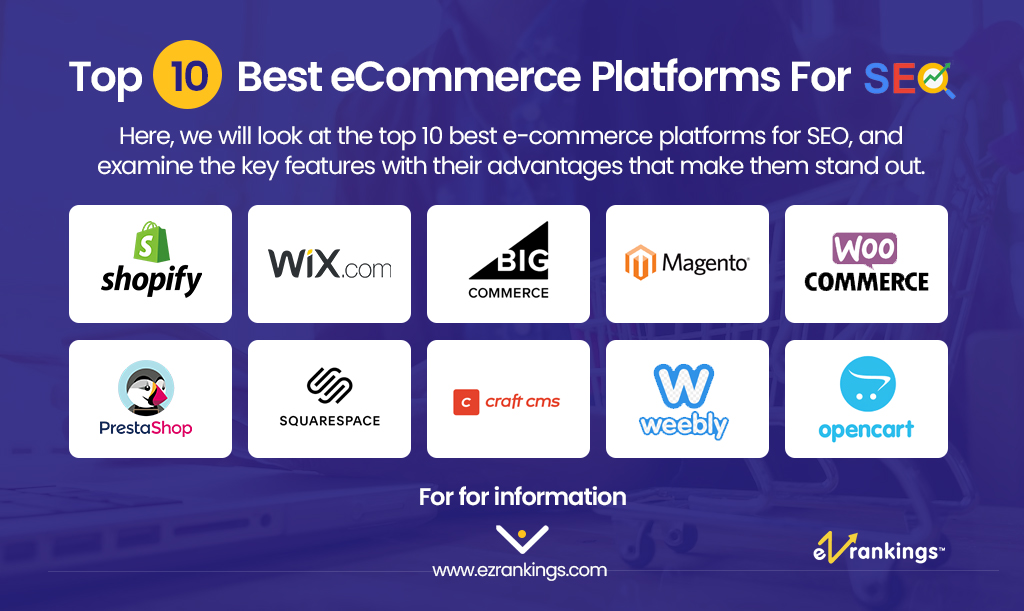
4. Wix Ecommerce

Wix eCommerce is a user-friendly platform that allows you to create a beautiful online store. It is ideal for small businesses and entrepreneurs.

Key Features of Wix eCommerce:

  • Website Builder: Offers customizable templates and a drag-and-drop editor.
  • Payment Processing: Supports various payment gateways, including PayPal and Stripe.
  • Product Management: Easily add and manage products with descriptions, images, and pricing.
  • Order Management: Track orders and manage inventory efficiently.
  • Marketing Tools: Includes SEO features, email marketing, and analytics.

5. Squarespace

Squarespace is a popular website builder that also offers ecommerce functionality. It is known for its beautiful design templates and ease of use.

Key Features of Squarespace:

  • Website Builder: Offers stunning design templates and a drag-and-drop editor.
  • Payment Processing: Supports various payment gateways, including PayPal and Stripe.
  • Product Management: Easily add and manage products with descriptions, images, and pricing.
  • Order Management: Track orders and manage inventory efficiently.
  • Marketing Tools: Includes SEO features, email marketing, and analytics.
Online Ecommerce Platforms: Top Choices for Boosting Sales

Credit: www.angularminds.com

Frequently Asked Questions

What Are The Best Online Ecommerce Platforms?

Shopify, WooCommerce, BigCommerce, and Magento are among the top choices. They offer various features.

How Do I Choose An Ecommerce Platform?

Consider your budget, technical skills, and business size. Look for scalability, support, and features.

Which Ecommerce Platform Is Most User-friendly?

Shopify is known for its ease of use. It’s ideal for beginners and small businesses.

Can I Sell On Social Media With Ecommerce Platforms?

Yes, platforms like Shopify allow selling on Facebook, Instagram, and other social media channels.

Do Ecommerce Platforms Offer Mobile Compatibility?

Yes, most platforms, including Shopify, have mobile-friendly designs and apps for managing stores.

What Payment Methods Can I Use With Ecommerce Platforms?

Common methods include credit cards, PayPal, Stripe, and more. Platforms like Shopify offer integrated options.

Conclusion

Choosing the right online ecommerce platform is crucial for the success of your online store. Shopify is an excellent choice for its user-friendly interface, scalability, and comprehensive features. However, other platforms like WooCommerce, BigCommerce, Wix eCommerce, and Squarespace also offer great options depending on your specific needs.

Ultimately, the best platform for you will depend on your business goals, budget, and technical expertise. We hope this article has provided you with valuable insights to help you make an informed decision.

Start your ecommerce journey today with the right platform, and watch your business grow!

For more information on Shopify, visit their official website.

Which Site is Good for Dropshipping? Top 5 Platforms Revealed

Which Site is Good for Dropshipping? | Shopify Review

Are you looking for the best site for dropshipping? Let’s explore Shopify, a top platform for dropshipping businesses.

Why Choose Shopify for Dropshipping?

Shopify is a commerce platform that allows individuals and businesses to create their own online stores to sell products or services. It’s an all-in-one solution designed to help users build, manage, and grow their eCommerce business, even without extensive technical skills.

Key Features Of Shopify

  • Website Builder: Offers customizable templates and drag-and-drop tools for creating a professional-looking online store.
  • Hosting: Shopify provides web hosting, so you don’t need to set up your own hosting service.
  • Payment Processing: Includes Shopify Payments and integrations with third-party payment gateways like PayPal, Stripe, etc., to process transactions securely.
  • Product Management: Allows you to list, categorize, and organize products with descriptions, images, and pricing.
  • Order and Inventory Management: Helps track orders, manage stock levels, and handle fulfillment.
  • Mobile Compatibility: Provides tools to manage your store and customer interactions from mobile devices.
  • Marketing Tools: Includes SEO features, email marketing, discount codes, and analytics to help you attract and retain customers.
  • App Store: Offers apps and plugins to expand the functionality of your store, such as dropshipping tools, advanced analytics, or custom shipping options.
  • Multi-channel Selling: Allows you to sell on social media platforms, marketplaces like Amazon, or in-person using Shopify POS (Point of Sale).

Who Uses Shopify?

  • Small Business Owners: Looking for an easy way to set up an online store.
  • Established Brands: Wanting to expand their reach online.
  • Dropshippers: Leveraging Shopify apps to source and ship products without holding inventory.
  • Freelancers and Creators: Selling digital products, art, or services.

Advantages Of Shopify

  • Easy to use and beginner-friendly.
  • Scalable to grow with your business.
  • Reliable with 24/7 customer support.

Pricing

Shopify offers various pricing plans to suit different business needs, ranging from basic plans for startups to advanced plans for larger enterprises. It also provides a free trial to test the platform.

Which Site is Good for Dropshipping? Top 5 Platforms Revealed

Credit: colorlib.com

Which Site is Good for Dropshipping? Top 5 Platforms Revealed

Credit: www.gelato.com

How Does Shopify Support Dropshipping?

Shopify is very supportive of dropshipping businesses. They offer various tools and apps to make dropshipping easy.

Integration With Dropshipping Apps

Shopify integrates with popular dropshipping apps like Oberlo, Spocket, and Modalyst. These apps help you find products, add them to your store, and ship them directly to customers.

Automation

Shopify automates many dropshipping tasks. This includes inventory management, order processing, and shipping. Automation saves time and reduces errors.

Product Sourcing

With Shopify, you can source products from various suppliers. You can find unique items that suit your store’s niche.

Customizable Storefront

Shopify’s website builder allows you to create a unique and professional storefront. You can use templates or customize your design to match your brand.

Secure Payment Processing

Shopify offers secure payment processing options. This includes Shopify Payments and third-party gateways like PayPal and Stripe.

Marketing And Seo Tools

Shopify includes built-in marketing and SEO tools. These help you attract customers and drive traffic to your store.

24/7 Customer Support

Shopify provides reliable customer support. Their team is available 24/7 to help with any issues you may encounter.

Frequently Asked Questions

What Is Dropshipping?

Dropshipping is a retail method. The store doesn’t keep goods in stock. Instead, it buys from suppliers.

Which Site Is Best For Dropshipping Beginners?

Shopify is ideal. It offers user-friendly tools, apps, and guides for beginners.

Is Shopify Good For Dropshipping?

Yes, Shopify is excellent. It has many dropshipping apps and easy integration.

How Does Shopify Help With Dropshipping?

Shopify offers apps like Oberlo. These apps help find and ship products easily.

Are There Any Fees For Dropshipping On Shopify?

Yes, there are fees. Shopify charges for its plans and transaction fees.

Can I Dropship On Shopify Without Inventory?

Yes, you can. Shopify allows you to source and ship products directly from suppliers.

Conclusion

So, which site is good for dropshipping? The answer is Shopify. With its user-friendly features, integrations, and support, Shopify is an excellent choice for dropshipping businesses. Whether you’re a small business owner, established brand, or freelancer, Shopify has the tools you need to succeed.

Ready to start your dropshipping business? Check out Shopify and take advantage of their free trial today!

Best Ecommerce Platform for CBD Dropshipping Products: Top Picks

Best Ecommerce Platform for CBD Dropshipping Products

Are you looking for the best ecommerce platform for CBD dropshipping products? Look no further! Today, we will explore why Shopify is the ideal choice for your CBD dropshipping business.

What is Shopify?

Shopify is a commerce platform that allows individuals and businesses to create their own online stores. It’s an all-in-one solution designed to help users build, manage, and grow their eCommerce business, even without extensive technical skills.

Key Features of Shopify

Shopify offers numerous features that make it perfect for CBD dropshipping:

  • Website Builder: Offers customizable templates and drag-and-drop tools for creating a professional-looking online store.
  • Hosting: Shopify provides web hosting, so you don’t need to set up your own hosting service.
  • Payment Processing: Includes Shopify Payments and integrations with third-party payment gateways like PayPal, Stripe, etc., to process transactions securely.
  • Product Management: Allows you to list, categorize, and organize products with descriptions, images, and pricing.
  • Order and Inventory Management: Helps track orders, manage stock levels, and handle fulfillment.
  • Mobile Compatibility: Provides tools to manage your store and customer interactions from mobile devices.
  • Marketing Tools: Includes SEO features, email marketing, discount codes, and analytics to help you attract and retain customers.
  • App Store: Offers apps and plugins to expand the functionality of your store, such as dropshipping tools, advanced analytics, or custom shipping options.
  • Multi-channel Selling: Allows you to sell on social media platforms, marketplaces like Amazon, or in-person using Shopify POS (Point of Sale).
Best Ecommerce Platform for CBD Dropshipping Products: Top Picks

Credit: www.inventorysource.com

Who Uses Shopify?

Shopify is used by various types of businesses, including:

  • Small Business Owners: Looking for an easy way to set up an online store.
  • Established Brands: Wanting to expand their reach online.
  • Dropshippers: Leveraging Shopify apps to source and ship products without holding inventory.
  • Freelancers and Creators: Selling digital products, art, or services.
Best Ecommerce Platform for CBD Dropshipping Products: Top Picks

Credit: www.wix.com

Advantages of Shopify

Why should you choose Shopify for your CBD dropshipping business? Here are some advantages:

  • Easy to use and beginner-friendly: No technical skills required.
  • Scalable: Shopify grows with your business.
  • Reliable: 24/7 customer support is available.

Pricing

Shopify offers various pricing plans to suit different business needs. These plans range from basic for startups to advanced for larger enterprises. Additionally, Shopify provides a free trial to test the platform.

Frequently Asked Questions

What Is The Best Ecommerce Platform For Cbd Dropshipping?

Shopify is highly recommended. It offers user-friendly tools, customization, and reliable service for CBD dropshipping.

Can I Use Shopify For Cbd Dropshipping?

Yes, Shopify allows CBD dropshipping. Ensure compliance with their guidelines and local laws.

Is Shopify User-friendly For Beginners?

Absolutely, Shopify is designed to be easy for beginners. It offers intuitive tools and support.

Does Shopify Support Payment Processing For Cbd Products?

Yes, Shopify supports CBD payment processing. You can use third-party gateways like Square.

Are There Customization Options On Shopify?

Yes, Shopify offers customizable templates and drag-and-drop tools to create unique online stores.

What Are The Key Features Of Shopify?

Key features include website builder, hosting, payment processing, product management, and marketing tools.

Conclusion

In conclusion, Shopify is the best ecommerce platform for CBD dropshipping products. Its features, ease of use, and scalability make it the perfect choice for your business. Give Shopify a try and see how it can help you grow your CBD dropshipping business.

For more information, visit Shopify.